Operations
Dangerous Goods Transport on North America Highways and Border Lanes
Dangerous goods transport is a compliance product first. COL Freight Solutions books qualified carriers and will not dispatch a UN number the truck is not allowed to haul.
Updated 2026-08-20 · dangerous goods transport
Dangerous goods transport—hazmat in U.S. usage—means the commodity is regulated: flammables, corrosives, gases, certain batteries, and other classes that need placards, trained drivers, and a file that matches the SDS. COL Freight Solutions arranges this as a licensed property broker. We do not claim a special federal “hazmat license” we do not have; we match shippers with carriers that are actually authorized for the UN numbers on the order.
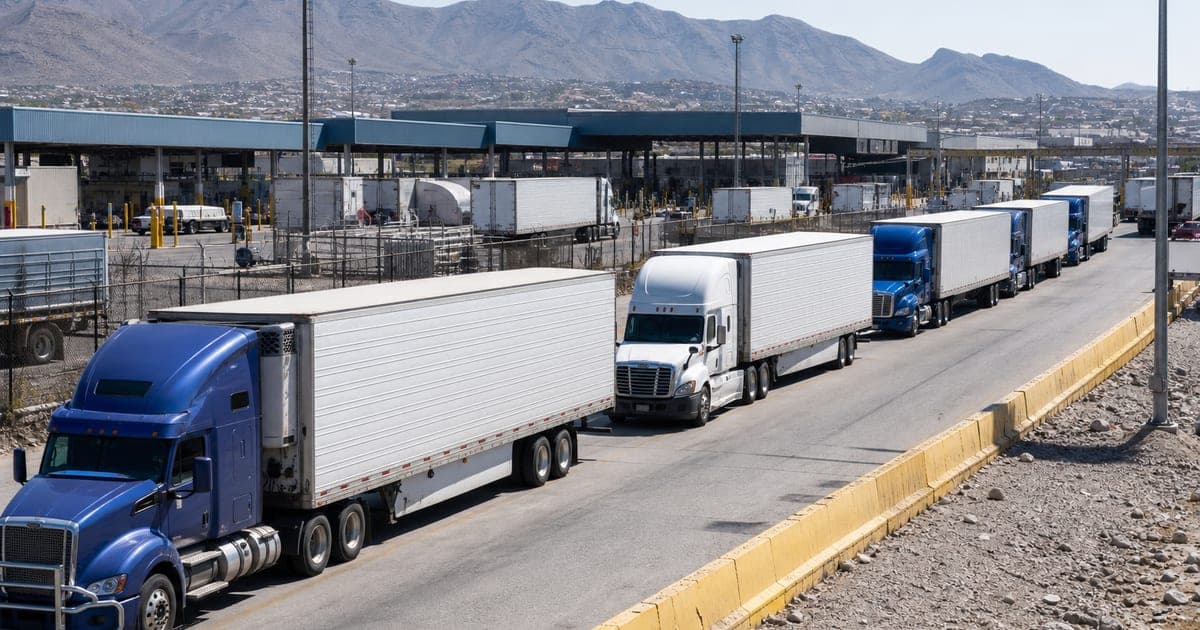
Crossing Laredo, Otay Mesa, or El Paso with dangerous goods adds Mexican rules, possible routing restrictions, and a higher chance of inspection. Typical transit still follows ordinary highway ranges. Typical release depends on customs and on whether the paperwork names the same product the trailer is carrying. We will not invent a two-hour hazmat SLA.
What we need before we hunt a truck
UN number, proper shipping name, class/division, packing group, quantity, inner packagings, and whether the load is exempt as limited quantity. The SDS should match the invoice. “Chemicals” as a description is how the search fails and how the booth gets interested.
Some classes are awkward at certain gates or require extra lead time for permits. Houston channel freight and industrial Monterrey plants see this every week; a consumer DC in Dallas may not. Tell us the origin type.
- 49 CFR duties on the U.S. side; Mexican hazardous regulations on the other
- Placards, segregation, and whether mixed loads are even legal
- Emergency contacts on the documents, not only in someone’s cell phone
Border reality for regulated freight
Secondary inspection is more likely. X-ray is more likely. A consolidation that hides one hazmat pallet among general freight is a bad idea unless the entire file is built for it. Sealed FTL with one shipper story is usually cleaner.
COL does not store dangerous goods at a company warehouse we do not operate. If a dwell is required, it happens at a partner facility that can legally hold the class. Offices: Saint Petersburg, FL, and Los Gatos, CA. Phone 561-880-9808.
What we will refuse
Undeclared hazmat, leaking packagings, and “just put it on a regular van” instructions. We would rather lose the load than dispatch a truck that cannot legally or safely move it. That is shipper-facing, not theatrical.
Recurring industrial programs
Plants that move the same UN numbers every week can still be reviewed for the Transportation Cost Recovery Program™. The recovery conversation starts after we see a compliant pattern, not after a one-off crisis.