
Insights
Freight shipping guides for USA, Mexico & Canada
Practical freight guides: costs, LTL, quotes, cross-border USA–Mexico, and how to choose a carrier or broker.
106 guides · Leer en español
Freight basics

Freight Solutions: What Shippers Actually Need from a Broker
Freight solutions are not slogans. They are FTL, LTL, border handoffs, and tracking that matches how your dock works.
Read guide →
COL Logistics, Shipping & Transport: Who COL Freight Solutions Is
COL logistics, COL shipping, COL transport, and COL solutions all point to COL Freight Solutions—the licensed North America broker.
Read guide →
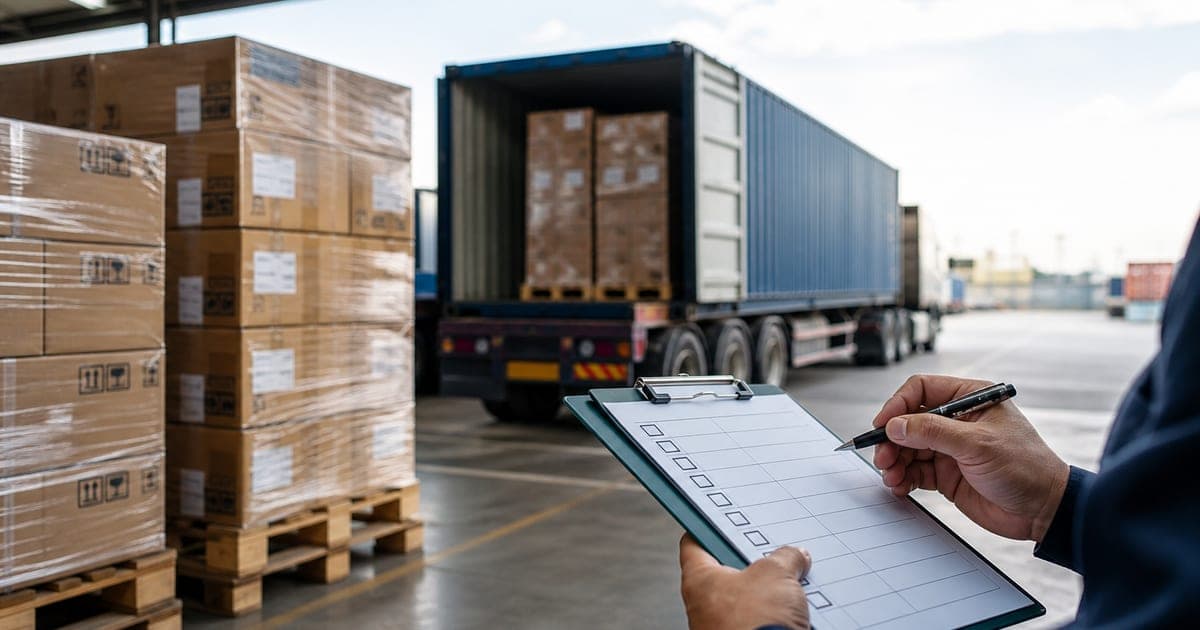
What Is Freight Shipping for Business Cargo?
Freight shipping is how companies move palletized cargo under a bill of lading. Here is how it differs from parcel and when to quote FTL or LTL.
Read guide →
Freight vs Shipping: Which Term Fits Your Load?
Freight vs shipping matters on RFPs and dock paperwork. Freight is the commercial cargo and how it is rated; shipping is the general act of moving goods.
Read guide →
Freight Meaning in Shipping for Commercial Loads
In shipping, freight means the cargo and the charge to haul it. That double meaning is why invoices, claims, and quotes need precise language.
Read guide →
Shipping by Freight When Parcel Service Stops Fitting
Shipping by freight is the move from boxes to pallets: dock appointments, class, and a bill of lading. Here is how to switch without blowing a delivery window.
Read guide →

How Long Does Freight Shipping Take on North American Lanes?
Freight transit is a range, not a guarantee on a website. Mode, terminals, appointments, and borders move the calendar. Quote the lane you actually run.
Read guide →
Freight Shipping Near Me: Coverage vs a Local Terminal
Near me in freight is about pickup capability and a reachable desk, not a terminal on your block. COL books carriers across North America from FL and CA offices.
Read guide →
How to Choose a Freight Shipping Company That Is Licensed
The right freight shipping company is licensed, reachable, and honest about broker versus carrier. Here is the checklist COL expects you to run—including on COL.
Read guide →
Comparing Freight Shipping Companies Without Chasing Spot Rates
Shortlists of freight shipping companies should score authority, lane density, and exception handling. A cheaper first tender is not a scorecard.
Read guide →
Freight Shipping Services That Match Cargo, Lane, and Equipment
Freight shipping services are a menu: FTL, LTL, warehousing, reefer, flatbed, and cross-border. Match the SKU to the dock, then quote—do not buy a generic “trucking” line.
Read guide →
Domestic Freight Shipping Across the Lower 48 and Border States
Domestic freight shipping never crosses a customs line. In COL’s world that usually means U.S. highway FTL and LTL—still with docks, class, and appointments.
Read guide →
Brokers & forwarders
Freight Logistics Solutions Provider: How to Vet the Company Behind the Quote
A freight logistics solutions provider should show authority, lane fit, and who answers when freight stalls—not only a cheap number.
Read guide →
Freight Forwarder: When Shippers Need One Beside a Broker
Use a freight forwarder for water and air contracts. Use COL when the problem is North American truck capacity.
Read guide →
Freight Forwarding as a Process, Not a Job Title
Forwarding is a sequence of bookings and documents. Truck arrangement is a different sequence. Shippers should not buy them as one blurry word.
Read guide →
What Is a Freight Forwarder? A Shipper’s Definition
A freight forwarder designs international water and air moves. This page defines the role for shippers who still need a separate truck broker.
Read guide →
What Is a Freight Broker? The Property-Broker Answer
A freight broker matches shippers with trucking companies. This definition is for shippers hiring capacity, not for people seeking a broker license.
Read guide →
Freight Broker Services for North America Shippers
What you actually buy when you hire freight broker services: capacity, exceptions, and a bilingual desk—not a truck COL does not own.
Read guide →
Freight Forwarder vs Broker: Who Should Own Your File
A side-by-side for shippers: license, document, and when to keep both vendors on one international move.
Read guide →
Freight Broker Company Criteria for Serious Shippers
How to evaluate a freight broker company when you are the shipper: authority, lanes, language, and what they refuse to pretend to be.
Read guide →
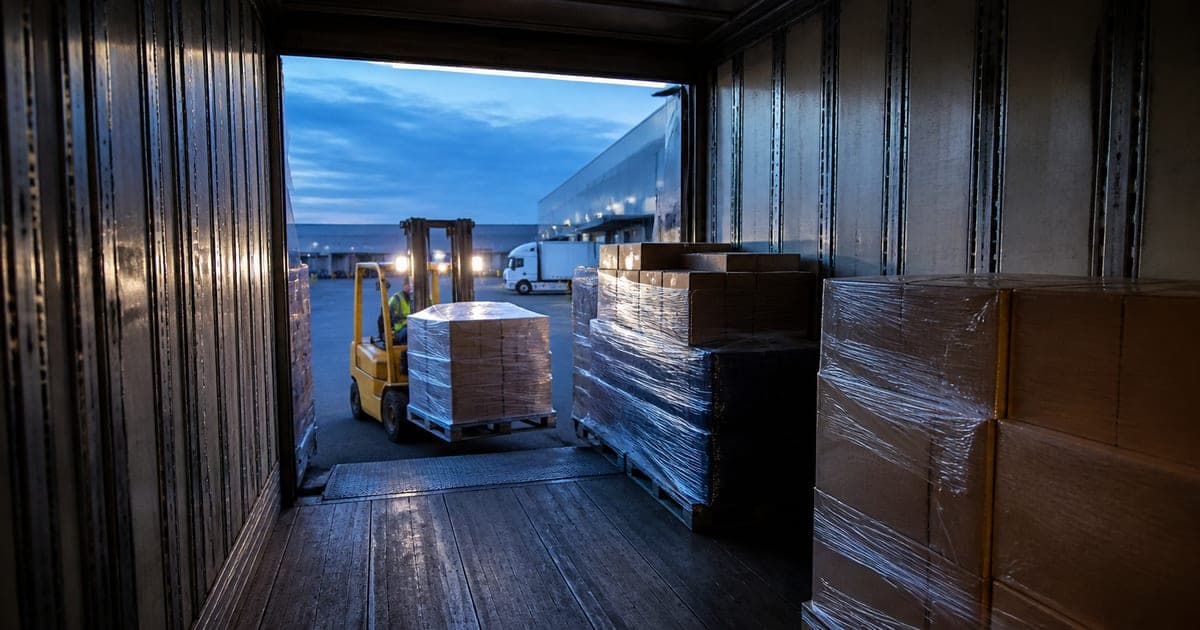
LTL Freight Broker: Class, Terminals, and Honest Accessorials
What an LTL freight broker actually controls: classification, terminal routing, and the fees that show up when the dock has no pit.
Read guide →
Freight Transportation Built Around How You Actually Ship
Freight transportation is the work of moving goods by truck with a named intermediary. Here is how COL scopes that work without turning it into ocean fiction.
Read guide →
Freight Transportation Arrangement Under Broker Authority
Arrangement is the legal word for what a property broker does. Here is the sequence shippers should expect, from tender to invoice.
Read guide →
3PL vs Freight Broker: Warehouse Control Versus Arrangement
A 3PL takes operational control of a slice of your network. A freight broker tenders carriers. Hire the one that matches the problem.
Read guide →
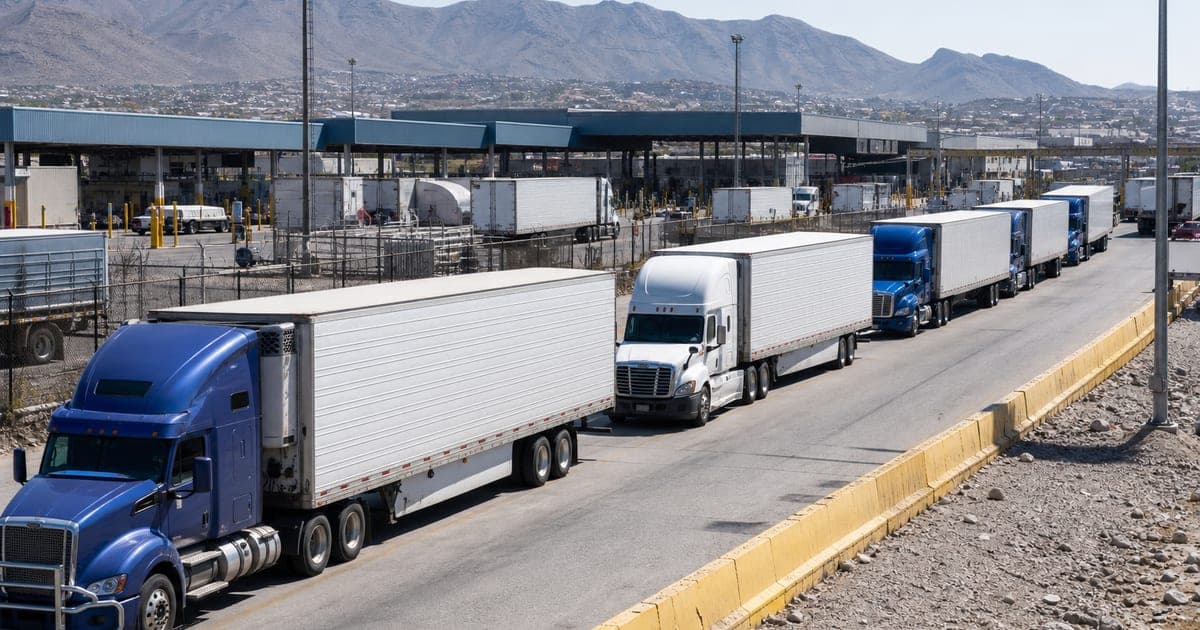
Customs Broker vs Freight Broker: Entry Versus the Truck
Two different licenses. One talks to CBP or SAT. The other dispatches a trailer. Cross-border freight needs both names on the whiteboard.
Read guide →
Shipment modes
Truckload Solutions: When FTL Is the Right Freight Product
Truckload solutions buy the trailer. Use them when cube, speed, or control beats sharing an LTL network.
Read guide →
LTL Shipping for Palletized Freight That Does Not Fill a Trailer
LTL shipping shares a trailer among several shippers. You buy cube and handling, not a dedicated van. Class, density, and terminals decide the bill.
Read guide →
LTL Freight: Density, Class, and Accessorials That Change Cost
LTL freight is the cargo on a shared trailer. Density, class, packaging, and how receivers take it decide whether consolidation is cheap or a trap.
Read guide →
What Is LTL Freight Shipping and When Should You Use It?
LTL freight shipping is less-than-truckload: your pallets share a trailer and a terminal network. Use it when you do not need the whole van.
Read guide →
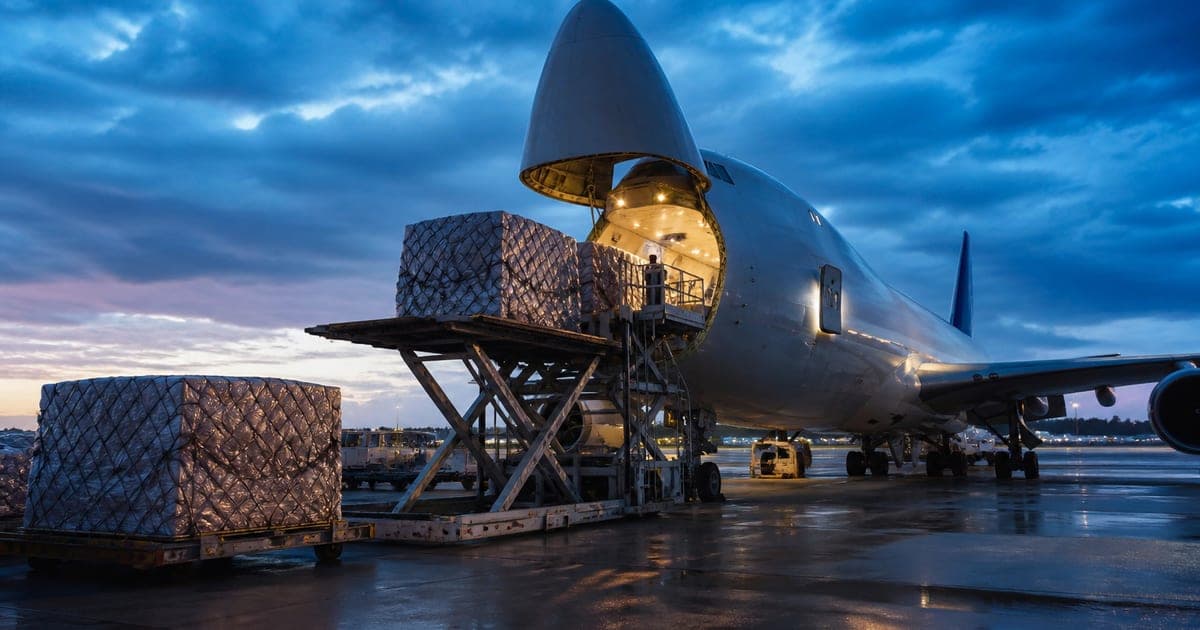
Air Freight When Ground Transit Cannot Meet the Window
Air freight is airport cutoffs and chargeable weight, not a parcel counter. Use it when a plant-down part or launch date cannot wait for a truck.
Read guide →
Air Freight Shipping: Airport Hand-Offs, Dim Weight, and Quotes
Air freight shipping is a process: tender, screen, fly, recover, deliver. Chargeable weight and missed cutoffs matter more than the airline logo on the MAWB.
Read guide →
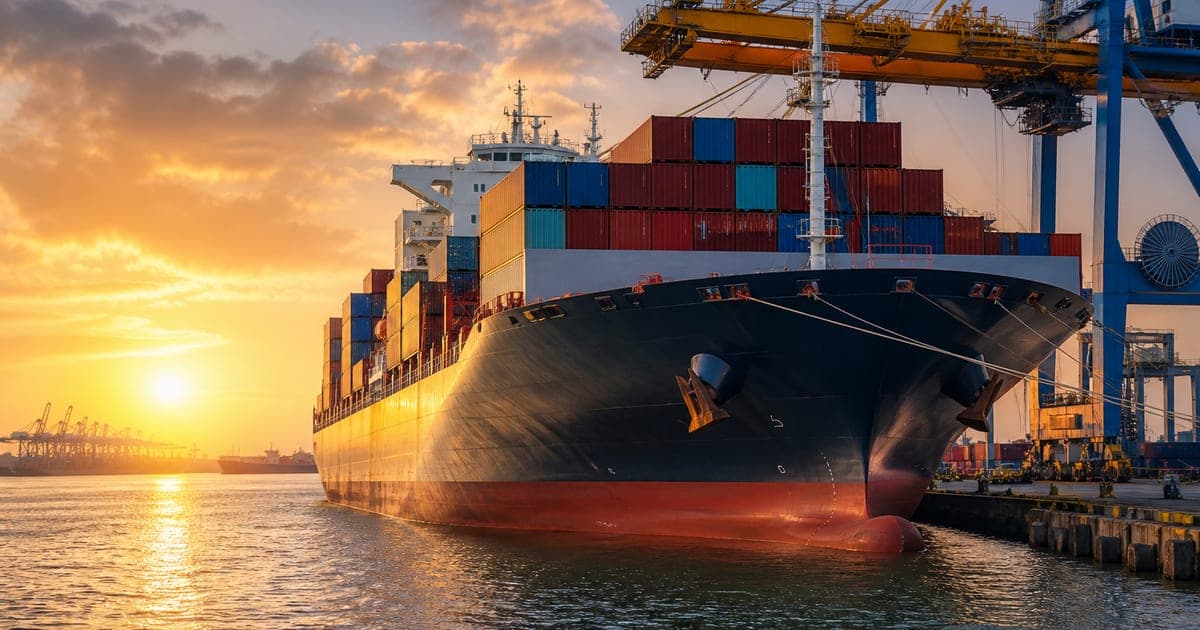
Sea Freight for Heavier International Moves That Can Wait
Sea freight is containerized ocean capacity plus the trucks on both ends. FCL versus LCL, port pair, and dwell decide landed time and cost.
Read guide →
Sea Freight Shipping From Port Pair to Inland Delivery
Sea freight shipping is bookings, cutoffs, and the truck after the terminal. Treat it as a project with documents, not as a longer LTL PRO.
Read guide →
Ocean Freight Shipping for FCL and LCL Container Moves
Ocean freight shipping is the U.S. commercial name for containerized water freight: 20', 40', high cube, FCL and LCL, then rubber to the door.
Read guide →
Truck Freight Shipping as the Backbone of North American Lanes
Truck freight shipping is highway FTL and LTL with equipment matched to cargo. Hours of service, docks, and borders—not a van icon—set the clock.
Read guide →
Ground Freight Shipping: Highway, Rail Drayage, and Regional Runs
Ground freight shipping is surface transportation: truck linehaul, regional LTL, and the rubber that bookends intermodal. It is not a parcel “Ground” button.
Read guide →
Intermodal Transportation: Rail Linehaul With Truck First and Last Mile
Intermodal transportation puts a container or trailer on rail for the long haul, then trucks the ramps. Cheaper on some long lanes, longer on the calendar.
Read guide →
Shipping Container Types, Weight Limits, and Inland Drayage
A shipping container has a size, a payload, a seal, and a chassis problem. Stuffing and inland rules matter as much as the ocean or rail ride.
Read guide →
Refrigerated Freight Shipping for Chilled and Controlled Cargo
Refrigerated freight shipping is a set point, airflow, and a pre-cooled box—not a dry van with the AC on. Chilled cargo and frozen cargo are different products.
Read guide →
Frozen Freight Shipping Without Breaking the Cold Chain
Frozen freight shipping is a deep-freeze set point on cargo that was already frozen. Transit is for holding temperature, not for turning chill into ice.
Read guide →
Heavy Freight Shipping: Permits, Axles, and Oversize Equipment
Heavy freight shipping is permits, axle weights, and the trailer that fits the envelope—step deck, RGN, lowboy—not a stretched dry van and a wish.
Read guide →
Large Freight Shipping Across the USA, Mexico, and Canada
When pallets, machinery, or high-cube freight outgrow LTL, COL Freight Solutions books large freight shipping with the right trailer—and a border plan that does not invent transit promises.
Read guide →
Small Freight Shipping: LTL and Partial Truckloads That Still Need a Plan
Small freight shipping is not parcel. COL Freight Solutions books pallet and partial-truck moves so you are not paying for empty cube—or losing control at the border.
Read guide →
Car Freight Shipping: Moving Vehicles as Freight, Not as a Road Trip
Car freight shipping is specialized auto-hauler capacity—not a dry van full of spare parts. COL Freight Solutions brokers vehicle moves and tells you when the paperwork is heavier than the car.
Read guide →
Road Freight of Goods Across the USA, Mexico, and Canada
Road freight of goods is still how most North American industrial cargo actually moves. COL Freight Solutions books the highway product—and the border process that comes with it.
Read guide →
Maritime Goods Transport Linked to North America Trucking
Maritime goods transport is the ocean chapter. COL Freight Solutions does not operate ships; we arrange the highway legs that make a vessel booking into a plant delivery.
Read guide →
Air Goods Transport with Truck First and Last Mile in North America
Air goods transport is the expensive clock. COL Freight Solutions arranges the airport trucks that make an air waybill into a dock delivery—without pretending we fly the aircraft.
Read guide →
Operations
Distressed Load Freight Solutions: Recovering Freight When the Plan Breaks
Distressed load freight solutions are rescue capacity with clear assumptions—not miracle rates after the clock already died.
Read guide →
Freight Solutions Tracking: Milestones That Matter More Than a Map Dot
Freight solutions tracking should tell you where freight is in the plan—not only a decorative GPS pin.
Read guide →
Freight Accessorial Charges: The Menu That Lives Outside Linehaul
Accessorials are not a broker tax. They are driver hours and equipment the linehaul never bought. List the facility facts or pay them later.
Read guide →
NMFC Freight Class: Why LTL Cares What Number You Print on the BOL
NMFC freight class tells the LTL carrier how much cube you buy relative to pounds. Wrong class is not a rounding error; it is a rebill.
Read guide →
Freight Density Class: The PCF Math That Sets LTL Before Anyone Bids
Density is weight divided by cube. That PCF is what freight density class follows on most LTL. Measure the stack that will actually ride.
Read guide →
Bill of Lading Explained for Highway Shippers
A truck bill of lading is not a customs entry and not an ocean house bill. Here is how shippers should read and use it.
Read guide →
Liftgate Freight Shipping When the Dock Does Not Exist
A liftgate is a piece of equipment, not a surprise. Here is when shippers must request it and what happens if they do not.
Read guide →
Flatbed Freight for Cargo That Will Not Cube a Van
Open deck is a different product from dry van: loading method, tarps, permits, and a broker who will not hide the straps.
Read guide →
Dry Van Freight: The Default Box, Used on Purpose
The dry van is the workhorse—until the dock, the seal, or the commodity says otherwise. How shippers should spec the everyday trailer.
Read guide →
Expedited Freight When the Calendar Is the Commodity
Expedite is a dedicated truck with a clock, not a cheaper LTL sticker. When to buy it, and when air is still theater.
Read guide →
How to Choose a Freight Company Without Buying the Wrong License
A checklist for shippers: authority, mode honesty, language, and whether the vendor will still answer when the trailer is live.
Read guide →
Dangerous Goods Transport on North America Highways and Border Lanes
Dangerous goods transport is a compliance product first. COL Freight Solutions books qualified carriers and will not dispatch a UN number the truck is not allowed to haul.
Read guide →
Cost & quotes
Freight Shipping Cost: What Actually Moves the Number
Freight shipping cost is a stack of linehaul, fuel, class, and accessorials. Learn the levers before you compare quotes.
Read guide →
Freight Shipping Rates: Contract, Spot, and What You Are Buying
Freight shipping rates are a mix of contracted linehaul, fuel tables, and spot capacity. Know which one you are being offered.
Read guide →
Freight Shipping Quote: What Makes It Bindable
A freight shipping quote should state mode, fuel logic, and facility extras. Incomplete data produces a number you cannot tender.
Read guide →
How Much Is Freight Shipping? A Decision Tree, Not a Fake Average
There is no honest national average for how much freight shipping is. Walk the mode and class forks, then price the actual tender.
Read guide →
Freight Shipping Calculator: What It Can Guess and What It Misses
Online calculators miss NMFC class, linear feet, and accessorials. Use them for a sketch, then send COL Freight the measured shipment.
Read guide →
Freight Shipping Estimate: When a Band Is Honest—and When It Is Not
Use a freight shipping estimate while dimensions are still approximate. Convert it to a quote once weight, class, and docks are known.
Read guide →
Cheap Freight Shipping: Lowest Linehaul Versus Lowest Total Cost
The cheapest linehaul often returns as reclass, detention, or a claim. Price the whole move, then ask COL Freight for a matched quote.
Read guide →
How to Reduce Freight Costs Without Starving the Dock
Freight costs fall when cube, class, and dock time are under control. Work the operations, then price the lane with a broker who sees both.
Read guide →
LTL vs FTL Cost: When Shared Space Loses to a Private Trailer
LTL vs FTL cost flips when cube, weight, or appointment risk fills a trailer. Run both modes on the same measurements.
Read guide →
Fuel Surcharge Freight: How Diesel Shows Up on the Invoice
Fuel surcharge freight follows diesel benchmarks and applies differently on LTL versus FTL. Ask for the table, not a buried all-in number.
Read guide →
Freight Quote Checklist: The Data a Desk Needs Before It Can Price
A complete freight quote checklist prevents reclass, missed liftgates, and dual-mode confusion. Copy it into the email before you hit send.
Read guide →

International Freight Shipping Rates: Duties Are Not the Truck
International freight shipping rates fail when finance blends customs with linehaul. Price each stack, especially USA–Mexico–Canada truck legs.
Read guide →
Ocean Freight Shipping Rates: The Water Leg Versus the Truck Legs
Ocean freight shipping rates move with FCL/LCL utilization and bunker. The invoice you feel often includes inland accessorials the index never showed.
Read guide →
Transportation Cost Recovery Program™: A Guide for Consistent Shippers
COL Freight’s Transportation Cost Recovery Program™ is a loyalty recovery on qualified volume—not an invoice audit and not a one-load coupon.
Read guide →
Mexico freight
Cargo Transport Company Mexico: Broker, Carrier, and What You Should Verify
A cargo transport company for USA–Mexico freight should show authority, bilingual coordination, and a quote that names the crossing.
Read guide →
Freight Companies Mexico: How to Compare Without Getting Three Incompatible Bids
Freight companies Mexico will look cheapest if each one assumed a different class, crossing, or liftgate. Freeze the facts, then compare.
Read guide →
Cargo Transport Service: Specify FTL, LTL, Warehouse, or Border—Not “a Truck”
Ask for a cargo transport service by mode and constraint. “Need a truck” produces the wrong trailer and a rewrite at the dock.
Read guide →
Cargo Transport Insurance: Carrier Limits Are Not a Policy
Ask who places cargo transport insurance and what the carrier’s legal limit actually pays. High-value freight needs a declared-value conversation.
Read guide →
What Are Fletes? The Mexican Word for the Work of Moving Freight
In Mexican logistics Spanish, fletes means the paid transportation of carga. Mode, border, and extras decide what that word costs.
Read guide →
Freight Quote Mexico: What a Cross-Border Cotización Must Contain
A Mexico freight quote that ignores the cruce fronterizo is a domestic fantasy. Send plant hours, equipo, and commodity for a real cotización.
Read guide →
Freight Cost Mexico: The Stack Behind “Cuánto Cuesta el Flete”
Mexico freight cost is a stack: terrestrial flete, diesel, border work, and patio extras. Ask for the stack, not a mythical average.
Read guide →
Goods in Transit Insurance: Warehouse-to-Warehouse Versus the Trucker’s Limit
Goods in transit insurance is a merchandise policy with territory, deductible, and packing rules. Do not confuse it with the motor carrier’s cap.
Read guide →
Laredo Cross-Border Freight: World Trade Bridge and Colombia Solidarity
Laredo is the busiest U.S.–Mexico truck gateway. COL Freight Solutions treats World Trade Bridge and Colombia Solidarity as different tools—not interchangeable logos.
Read guide →
El Paso–Ciudad Juárez Freight for Maquila Dray and Interior Chihuahua
El Paso–Juárez freight is a twin-city dray market with its own bridges. COL Freight Solutions will not reroute your maquila cargo through Laredo just because a template said Texas.
Read guide →
Tijuana–San Diego Freight for Twin-Plant Manufacturing and Daily Dray
Tijuana–San Diego freight is a binational metro, not a long-haul. COL Freight Solutions plans Otay Mesa crossings around plant appointments, not tourist maps.
Read guide →
Monterrey–Texas Freight for Apodaca, García, and the Laredo Spine
Monterrey–Texas freight is Mexico’s densest industrial run to the U.S. COL Freight Solutions routes Apodaca and Saltillo cargo through the Laredo cluster that actually fits the park.
Read guide →
Mexico City to USA Freight from the Valle de México to Texas Gateways
Mexico City to USA freight is an interior haul plus a border. COL Freight Solutions plans Tepotzotlán and Cuautitlán cargo through the northern spine—not as if CDMX sat on the Río Bravo.
Read guide →
Guadalajara to USA Freight via Manzanillo, Bajío, and the Pacific Border
Guadalajara to USA freight has a Pacific option that Monterrey does not. COL Freight Solutions compares Manzanillo ocean, Bajío trucking, and Otay Mesa instead of forcing every load through Laredo.
Read guide →
Otay Mesa Cross-Border Freight: the Commercial Gate for Baja California
Otay Mesa is where California trucks become Mexico trucks. COL Freight Solutions treats the commercial POE as an operation—not as a pin next to San Ysidro.
Read guide →
Consolidated Freight to Mexico: Sharing the Trailer Without Sharing the Risk Blindly
Consolidated freight to Mexico is how smaller shippers reach plants without buying a 53-foot van. COL Freight Solutions builds the consolidation around the border file, not around a hope that pallets will sort themselves.
Read guide →
Documents for Mexico–USA Shipping: What Shippers Must Prepare
Documents for Mexico–USA shipping fail more loads than empty miles. COL Freight Solutions coordinates freight; licensed customs professionals file the entry. Here is the shipper-facing checklist.
Read guide →
International
International Freight Shipping Across North America
How North American shippers should treat international freight: the trucking leg, the documents, and when you still need a forwarder or customs broker.
Read guide →
International Air Freight Shipping: The Truck Connection
When air is the right international mode, and how a licensed truck broker covers the pickup and delivery that airlines will not.
Read guide →
International Ocean Freight Shipping and Inland Trucking
Containers, ports, and the inland truck that actually reaches your warehouse—without pretending COL is the ocean carrier.
Read guide →
International Sea Freight Shipping Beyond the Box
Sea freight is more than a 40-foot box. Here is how shippers should split vessel work from the highway work COL actually arranges.
Read guide →
Freight Shipping to Canada for U.S. and Mexican Shippers
Northbound truckload and LTL into Canada: border reality, equipment, and who actually books the highway capacity.
Read guide →
Freight Shipping to Hawaii: Mainland Truck Plus Ocean
Hawaii freight is a two-mode problem. COL covers the U.S. mainland truck; ocean barge space belongs to the water carrier or your forwarder.
Read guide →
Freight Shipping to Alaska by Highway and Water
Alaska freight is a routing choice: Alaska Highway versus Seattle barge. COL books the trucks; we do not operate the water service.
Read guide →
Lanes & cities
San Diego Freight Shipping for Otay Mesa, the Port, and Inland Plants
San Diego freight shipping is a border market first: Otay Mesa commercial trucks, Tijuana plants, and a smaller seaport—not a copy of Los Angeles logistics.
Read guide →
Texas–Mexico Freight: Laredo, El Paso, and the Gulf Gateways
Most U.S.–Mexico truck trade touches Texas. COL Freight Solutions plans Texas–Mexico freight around the crossing that matches your plant—not the one that looks closest on a map.
Read guide →
California–Mexico Freight: Otay Mesa, Mexicali, and the I-10 Alternative
California–Mexico freight is a Pacific story first. COL Freight Solutions routes Tijuana and Mexicali traffic through the gates those plants actually use.
Read guide →
Houston–Mexico Freight from the Ship Channel to Laredo and Mexican Ports
Houston–Mexico freight starts at the Ship Channel more often than at a downtown warehouse. COL Freight Solutions connects Gulf industry to Laredo and to Mexican maritime gates.
Read guide →
Chicago–Mexico Freight from Joliet and Elwood to Laredo and Beyond
Chicago–Mexico freight is a long-haul industrial lane. COL Freight Solutions plans I-55/I-57 into the Texas gateways and refuses overnight promises that ignore customs.
Read guide →
Los Angeles–Mexico Freight from the Ports, Inland Empire, and I-15 South
Los Angeles–Mexico freight is port, DC, and border in one sentence. COL Freight Solutions separates San Pedro Bay dray from the Otay Mesa crossing so you are not paying for both as one mystery fee.
Read guide →
Miami Freight Shipping for PortMiami, Doral, and North America Lanes
Miami freight shipping is a trade-gateway market, not a Mexico border town. COL Freight Solutions books local Florida freight and the long hauls that actually reach Mexican plants.
Read guide →
Florida–Mexico Freight from Tampa Bay, Jacksonville, and South Florida
Florida–Mexico freight is a peninsula-to-interior problem. COL Freight Solutions quotes the Texas land path and the maritime alternative without disguising either as a local hop.
Read guide →
Dallas–Mexico Freight on the I-35 Spine to Laredo and Monterrey
Dallas–Mexico freight is the shortest major U.S. industrial run to Nuevo León. COL Freight Solutions still treats the bridge—not the miles—as the variable.
Read guide →
READY TO MOVE FORWARD?
Get a custom quote or speak with a logistics specialist today.