Shipment modes
Maritime Goods Transport Linked to North America Trucking
Maritime goods transport is the ocean chapter. COL Freight Solutions does not operate ships; we arrange the highway legs that make a vessel booking into a plant delivery.
Updated 2026-08-20 · maritime goods transport
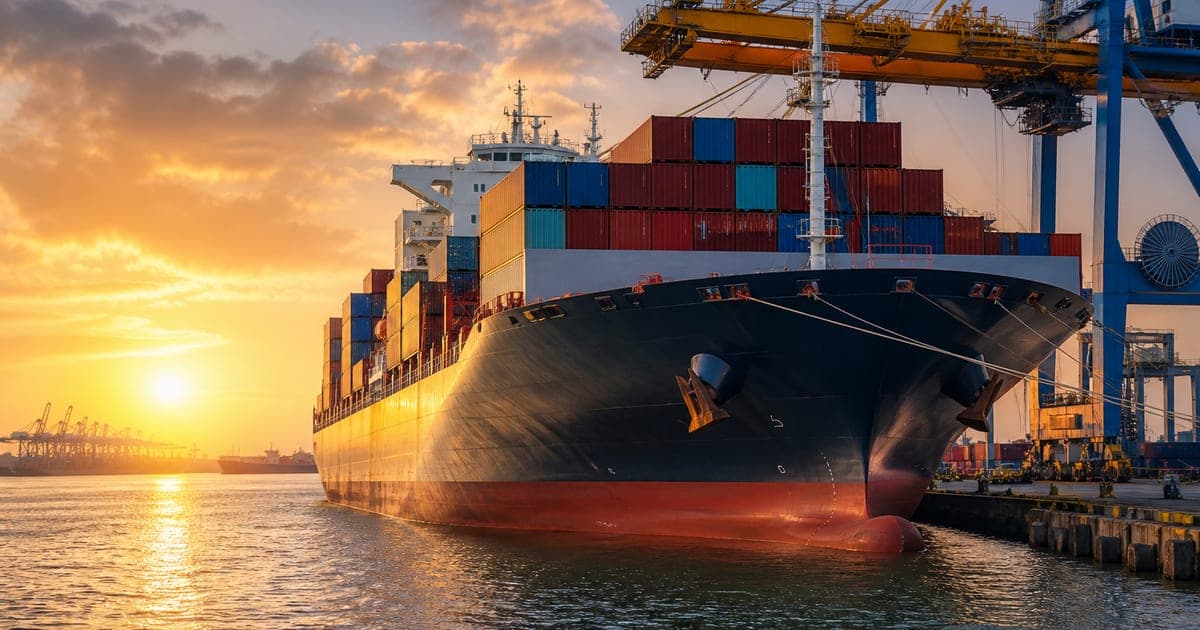
Maritime goods transport moves cube that belongs on water: containers, breakbulk, and project pieces through ports such as Houston, Los Angeles/Long Beach, Miami, Veracruz, Altamira, Manzanillo, and Lázaro Cárdenas. COL Freight Solutions is a licensed U.S. property broker, not a steamship line. We book the truck to the terminal, the dray, the transload when a Mexican plant wants a 53-foot van, and the inland tail after the box lands.
Shippers search this phrase when they are comparing ocean to highway for USA–Mexico trade. Sometimes ocean wins on cost. Sometimes it loses on total time, chassis, and a receiver that cannot take a container. Typical ocean transits follow vessel strings. Typical port dwell and inland time depend on terminals and, when the cargo then crosses a land border, on customs.
When the water is the honest mode
Project cargo out of Houston toward Mexican Gulf ports, retail cube from Asia that already sits in San Pedro Bay and must reach a Tijuana plant, or Florida exports that should never attempt a 1,500-mile disguised “regional” truck. Those are maritime conversations with a trucking wrapper.
Manzanillo is the Pacific Mexican workhorse for Guadalajara and much of western Mexico. Veracruz and Altamira serve the Gulf and the center of the country. Choosing the wrong Mexican port is how you buy a beautiful ocean rate and a brutal inland.
- Port dray with TWIC, chassis, and last-free-day math
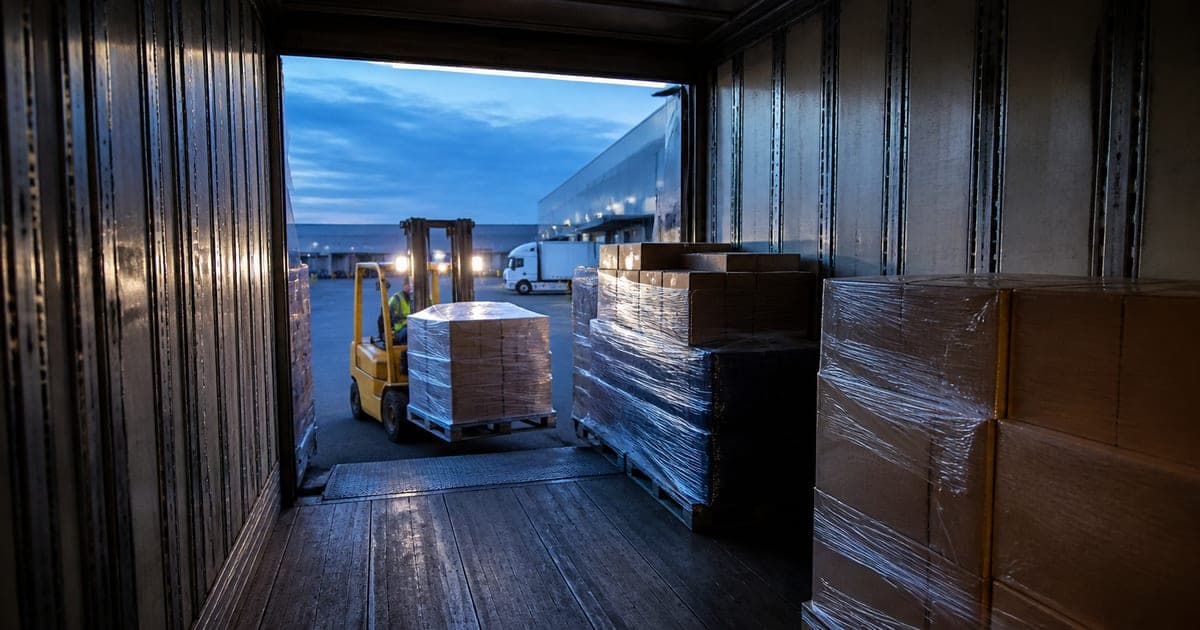
- Transload to domestic trailer when the andén was not built for a 40-foot box
- On-forwarding by highway to parks in Monterrey, El Salto, or the Valle de México
Documents that are not a truck BOL
The ocean bill of lading, arrival notice, and ISF or Mexican entry package are a different stack from a highway carta porte. Your forwarder or agente aduanal owns pieces of that stack. We own the road execution and the communication so the two stacks do not contradict.
COL does not operate a container yard. Partner terminals and transload docks are used when the lane needs them. Offices: Saint Petersburg, FL, and Los Gatos, CA. Call 561-880-9808.
Do not force ocean onto a JIT plant
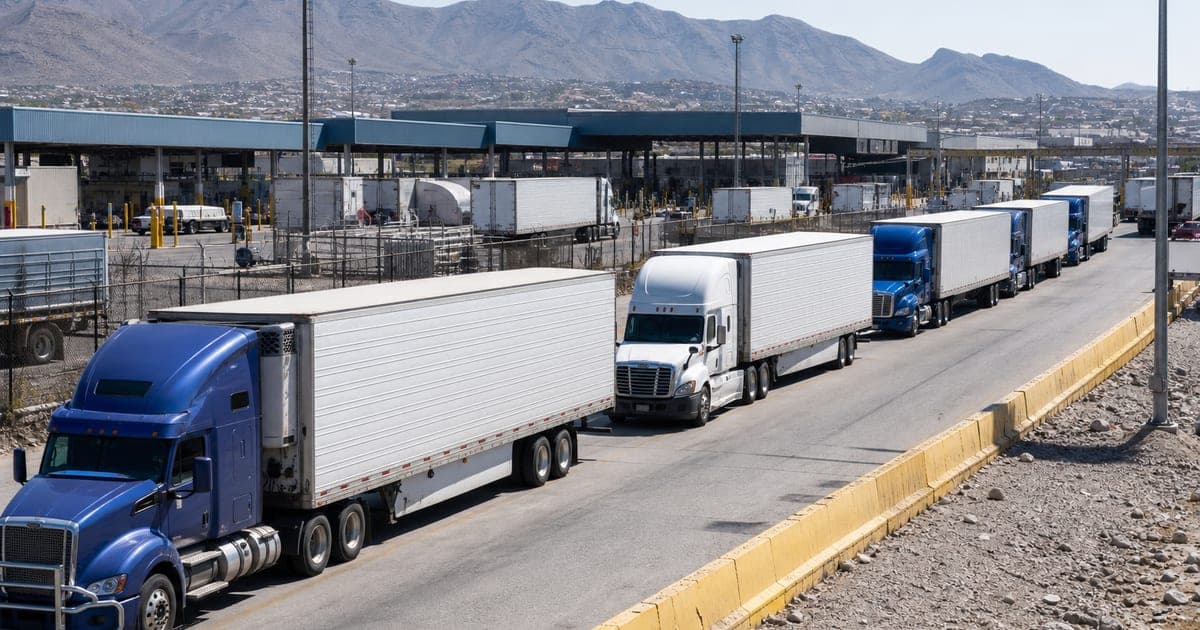
A Juárez maquila sequenced by the hour usually wants Otay or El Paso trucks, not a weekly vessel. A CDMX retailer filling a seasonal DC might want Veracruz. Mode choice is a production question, not a slogan.
Volume across modes
Shippers who combine maritime goods transport with steady highway tails can still be reviewed for the Transportation Cost Recovery Program™ on the trucking they move with COL.