Shipment modes
Truck Freight Shipping as the Backbone of North American Lanes
Truck freight shipping is highway FTL and LTL with equipment matched to cargo. Hours of service, docks, and borders—not a van icon—set the clock.
Updated 2026-08-20 · truck freight shipping
Truck freight shipping is the default mode for plant-to-plant freight in the USA, Mexico, and Canada: a 53-foot dry van, a reefer, or a flatbed, running under hours-of-service rules to a dock that may only receive on Tuesdays. Air and ocean are exceptions. Rubber is the network.
COL Freight Solutions books that network as a licensed property broker. We do not pretend a truck is a parcel car. Give us equipment, ZIPs, and whether the load is live or drop, and we will quote truck freight shipping as FTL, LTL, or something in between.
What truck freight shipping includes
Linehaul, fuel, and the accessorials that make a site work: detention when the dock is slow, layover when the appointment slips to tomorrow, tolls, and sometimes a lumper. If those are not on the conversation, they will be on the invoice.
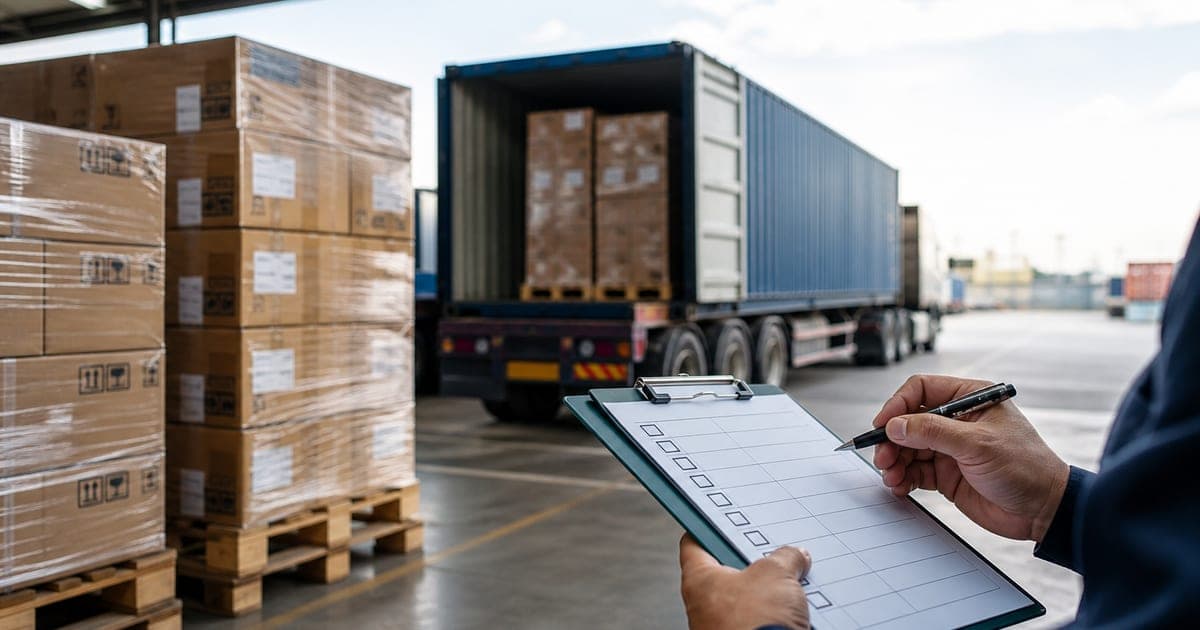
Equipment choice is the first operations decision. Palletized CPG belongs in a dry van. Produce and pharma need a set point. Steel and lumber often need a deck. Forcing everything into a van is how you buy damage.
FTL versus LTL on the same highway
Same roads, different product. FTL keeps your freight on one trailer. LTL shares space and terminals. Truck freight shipping as a search term includes both; your BOL should pick one.
Team drivers and expedite vans are still trucking, with a different P&L. Use them when the date is the constraint, not as a lifestyle.
Borders do not change the physics
A truck still has axles, a clock, and a receiver. What changes is who can legally pull which segment and which documents ride in the cab. COL coordinates bilingual handoffs; your agente aduanal still files Mexico entries.
Southbound live loads that arrive at the crossing without a ready pedimento are not a trucking failure. They are a paperwork failure sitting on a truck.
How to tender so a truck actually shows
Ready time, hours, contact at the dock, piece count, weight, and any driver-assist. “ASAP” is not a window. Hours-of-service math is why a 5 p.m. pickup on a 600-mile run may be a next-day delivery even with a perfect driver.
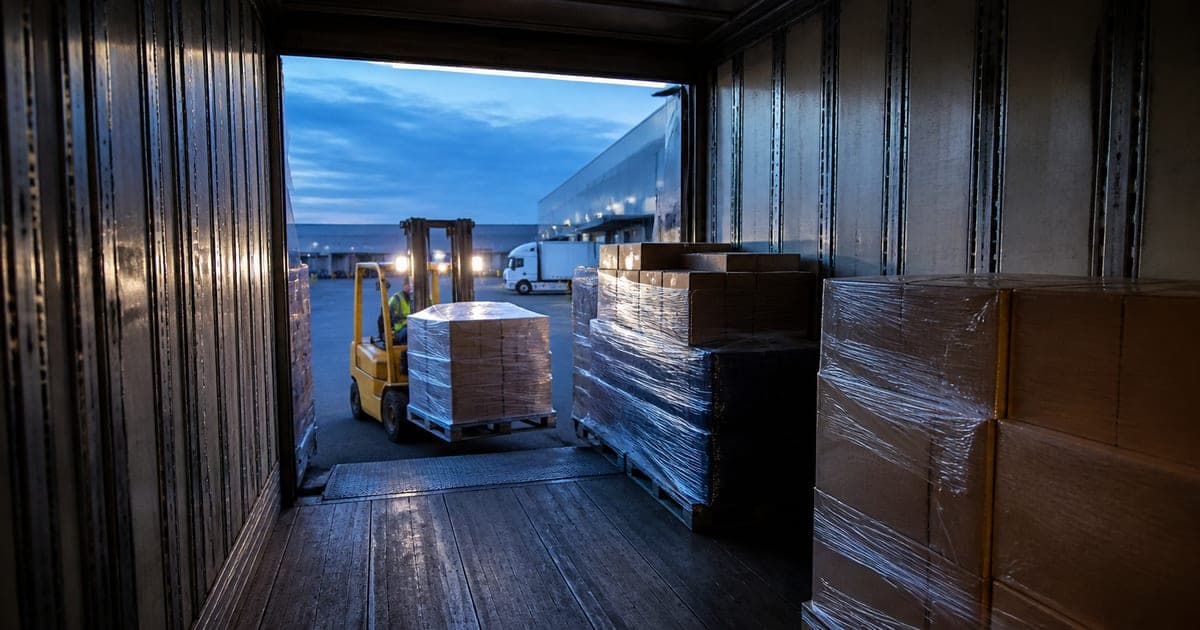
Drop-trailer programs need yard space and a plan to hook. They are one of the highest-leverage truck freight shipping products for plants that load all day.
Quote the highway with COL
Request a truck freight shipping quote with equipment named. Call 561-880-9808 from either U.S. office.
Consistent highway volume is the core of COL’s partnership model, including the Transportation Cost Recovery Program™ for qualifying shippers who stay on the book.