Freight basics
Shipping by Freight When Parcel Service Stops Fitting
Shipping by freight is the move from boxes to pallets: dock appointments, class, and a bill of lading. Here is how to switch without blowing a delivery window.
Updated 2026-08-20 · shipping by freight
Shipping by freight starts the week your stretch wrapper outruns the parcel manifest. Cartons that used to leave as twenty labels now sit on two pallets, the consignee wants a dock appointment, and the small-package invoice looks like a rounding error compared with the handling.
COL Freight Solutions quotes that transition for USA, Mexico, and Canada lanes. Bring pallet count, weight, and whether the receiver has a dock. The desk will say LTL or FTL instead of letting you keep buying the wrong product.
Shipping by freight: the physical triggers
Weight per piece, length that will not fit a parcel conveyor, or a receiver that bans box vans from the yard are the usual triggers. So is hazmat that parcel will not take, and food that needs a reefer set point instead of a next-day envelope.
If you are already building 48×40 pallets “just to make parcel cheaper,” you have crossed the line. Rate the pallet as freight and compare once—not every Tuesday in a panic.
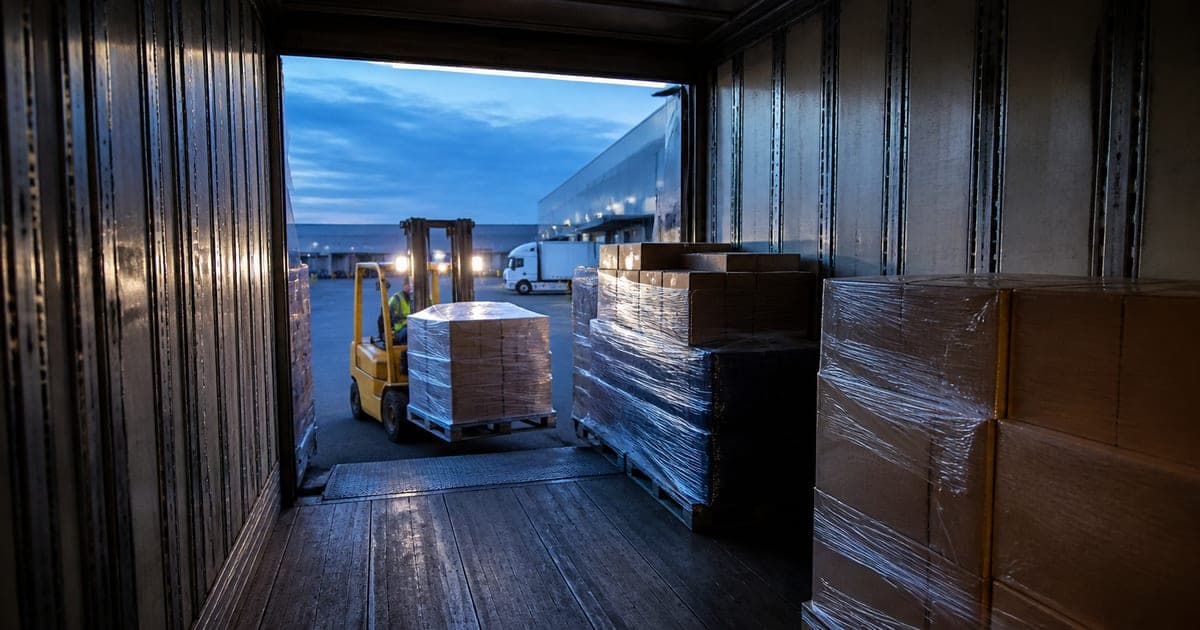
- Pallet jack or forklift required at either end
- Consignee lists freight hours, not retail receiving
- You are paying dimensional parcel on cubes that should be classed
Choose LTL until the trailer earns FTL
A few pallets on a shared trailer is LTL. Watch linear feet and density: light, fluffy freight can cube out and cost more than a dedicated van. Heavy, dense pallets often stay LTL longer than people expect.
When you regularly fill most of a 53-foot dry van, or when terminal handling is unacceptable for the commodity, quote FTL. COL will not push FTL to inflate the invoice if LTL still fits.
Pickup habits that make freight work
Freight drivers run hours-of-service clocks. A “anytime after lunch” pickup is how you miss the truck. Give a window, a dock contact, and say if a driver assist or lumper is required.
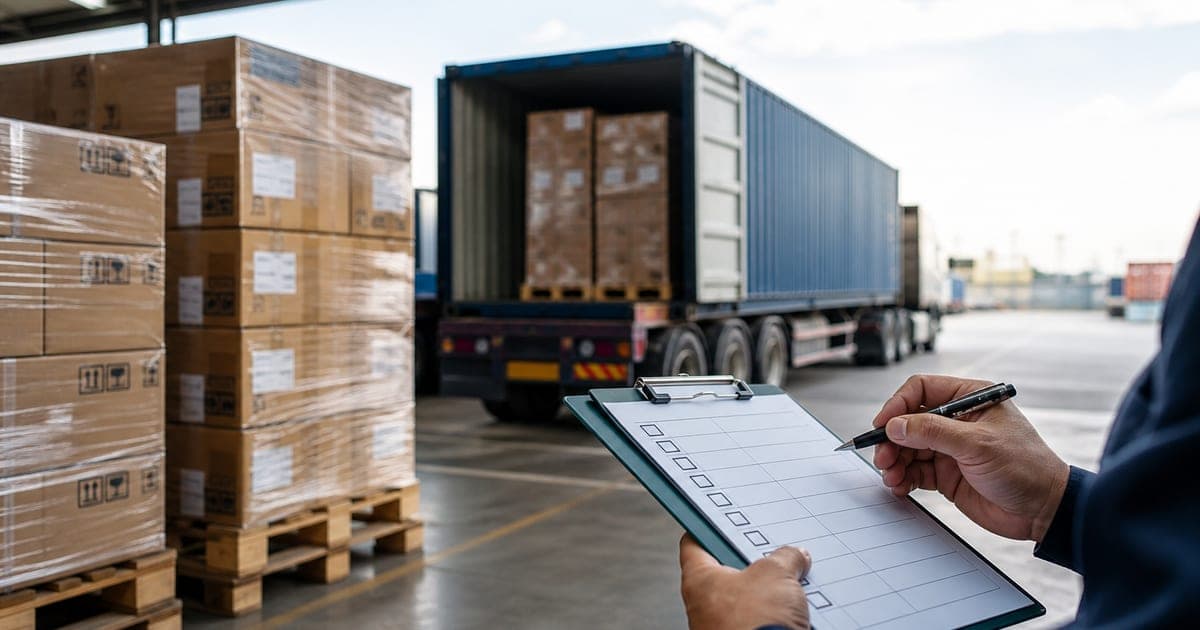
Label pallets on two sides, match the BOL piece count, and do not add last-minute loose cartons that were never quoted. That is the fastest way to a reweigh or a refused pickup.
Cross-border is still freight, not a thicker envelope
Southbound or northbound pallets need the same freight discipline plus a licensed customs broker on the Mexico side. COL coordinates the truck; you (or your importer) still own the entry.
Do not convert a parcel-export habit into a freight load without commercial invoices that match the BOL. Mismatched pieces at the border sit, and sitting is not a COL SLA you can buy away.
Run the first freight quote with COL
Send photos of the pallets if the cargo is irregular. Request a quote for shipping by freight on your real lane, not a theoretical ZIP pair.
If the cadence becomes weekly, ask whether the Transportation Cost Recovery Program™ is in scope. The program is for consistent partners, not a one-off sample.